
There was once a king, who had reached a personal milestone in his reign, and he wanted to celebrate with the people of his kingdom, so he announced that on a certain day in the following months his palace would be open, and the people of the kingdom could come and ask what they wanted and he would attempt to comply with their requests.
So the day came, and the castle was crowded with people, and one came and asked for gold, one came and asked for land, one came and asked for a high position, and many came and many asked. And he complied with their requests.
Later in the day, a beggar came, a very, very poor man, and he said, “I request that I be allowed to converse with you every day.”
And the king said, “How interesting. Here is a subject who wants me more than he wants the things I’m able to give him.” He said that his request should be granted, and he also said that he should have money and honor.
We need to know how to pray and we need to know the purpose for prayer. And the purpose for prayer is not to ask for things that the Creator creates, the purpose for prayer is to establish a relationship with the Creator. And this is often bypassed.
One of the reasons that religious attendance in the United States has gone down tremendously is that that connection between God and man is not as big a part of the services in America as it once was. The connection between man and God is the reason for existence. God created a creation that was capable of knowing Him because He wanted to be known. And in His compassion, and mercy, and love, He created man so that man could know Him and He could know man.
Man has lost the desire to know God, and man now strives for acquisition of God’s creations. So man would rather have gold that Allah created, as opposed to God. Man would rather have possessions, land, honors; all things that Allah has created and allowed rather than have Allah.
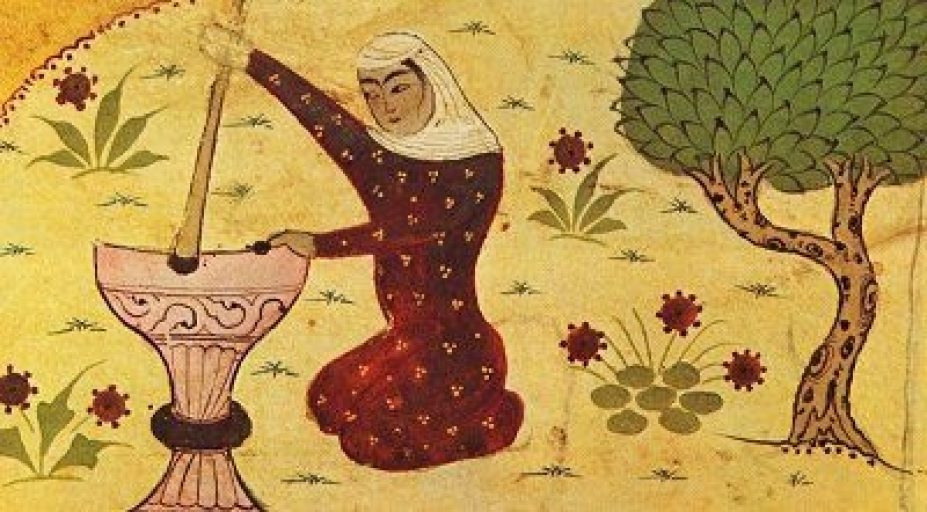
The great Saint Rabia said, “I do not fear hell, and I do not desire heaven, I only want Allah.”
So the question becomes, for each of us, where is our inclination? Where is our desire? Where is our intention? What is it that we want?
It’s interesting that many great teachers, when you come to them, will say to you, “What do you want?”
There are lots of answers to that question, and that’s a question we should actually ask ourselves on a continuous basis. What do we want? What is it that we’re looking for? What is it that we think we’re missing? What is it that we need? What is going to satisfy our desire? What is our desire? Why do we desire the things that we desire?
And then, the following questions come from that. Can we realize, from our desires, who we are, what our intentions are. And then, from looking at our intentions, can we figure out our purpose? And is our purpose in this world to become famous, to become powerful, to control things, to gratify the base needs of our own self, and do we constantly act in a way that shows this to be so, or have we become one who is seeking truth? Have we finally gotten past the vagaries and the idiosyncrasies of the creation, or are we still involved with them so that they overcome our being? Do we need to proclaim ourselves at every instance or can we be satisfied, and sit quietly, and not have to be involved in the world because we know that the truth is not in the world?
The truth is with God…